top of page
CLOSING STATEMENT
Closing Statement: Text
The artworks of the eight women represented in this exhibition are tied together by their experiences as both women and Indigenous people. The pieces shown display varying forms of craft art. From beading to weaving to high fashion, these artists reclaim female art forms and use them to return to their ancestral roots and decolonize themselves and their communities. The artwork made by these women represents the ideals of Indigenous feminism and focuses particularly on decolonization, which is essential to dismantling the patriarchy.
The curation process allowed us to think about feminism in different contexts. As Adrienne Keene (Cherokee), an author and assistant professor at Brown, said about Indigenous communities, “We can imagine an otherwise, because we have a history of that, like, we have a model of what it looks like to not live in a patriarchal society. And mainstream feminism doesn't acknowledge that role of colonialism. So to me, to be an Indigenous feminist means that I'm not just fighting against patriarchy, I'm fighting against colonialism.” Indigenous feminism is unique because activists are not working to create a new system, but are fighting to return to an old one. Additionally, Indigenous feminists recognize the impacts of colonialism and the connection to the patriarchy, which other feminist groups have failed to do. Additionally, this project allowed us to think about what constitutes art and who controls this definition. Craft art, particularly Indigenous craft art, is reduced and belittled by the art world. However, the pieces displayed in this exhibition show a clear mastery of skills and true talent. Craft art and those who make it should receive the same level of recognition as other artists who practice painting or other more classical forms of art.
Closing Statement: Text
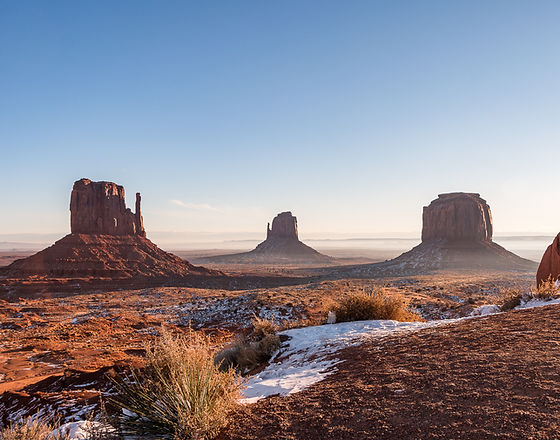
Jihan Gearon (Diné)
"However, patriarchy isn’t just entwined with the systems of colonization, white supremacy, and capitalism. Colonization, white supremacy, and capitalism need patriarchy to work."
Closing Statement: Quote
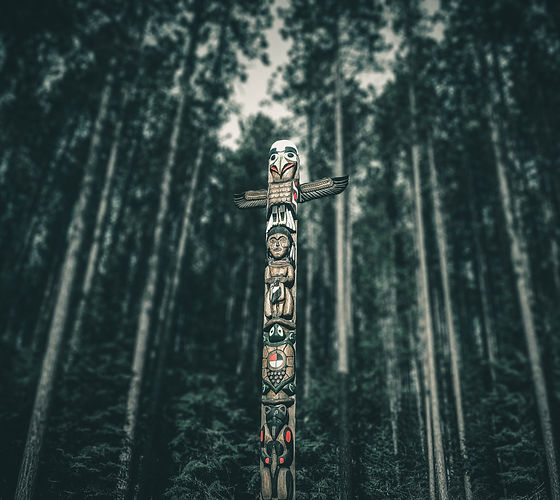
Matika Wilbur (Swinomish and Tulalip)
"So when you talk about Indigenous feminism and resisting colonialism, you're talking in a lot of ways about restoring our original identities and our original agreements with our own people, our land, and our relationship-based identity"
Closing Statement: Quote

Wilma Mankiller (Cherokee)
"Every step I take forward is on a path paved by a strong Indian woman before me."
Closing Statement: Quote
bottom of page